A multi-tenant NNN center is not a bigger single-tenant deal — it is a different animal. The blended cap rate looks attractive precisely because it carries risks a single-tenant pad does not: co-tenancy clauses, an anchor that can pull the whole center down, and a rent roll that needs active management. We underwrite the weak tenants, not the trophy one.
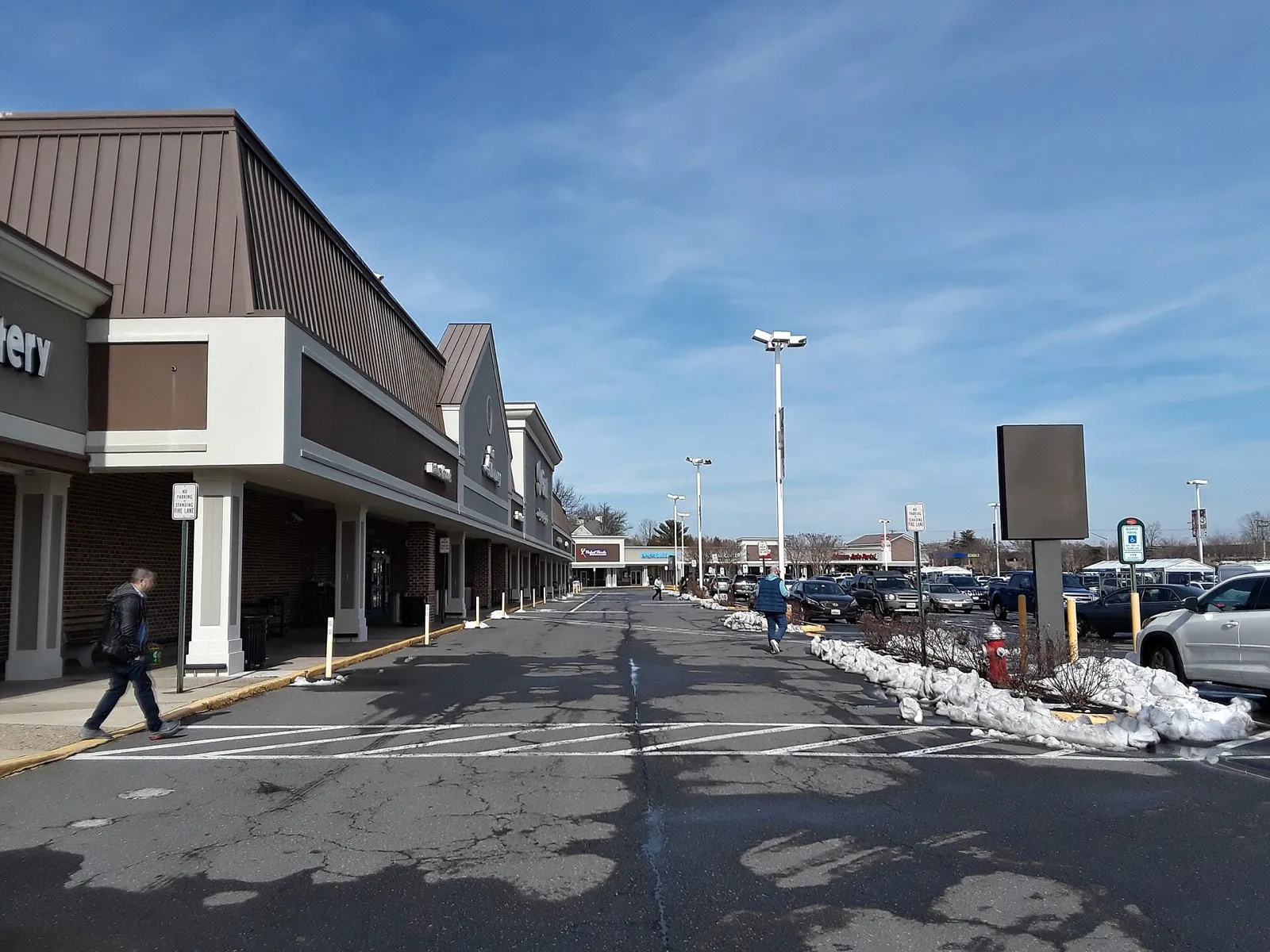
A multi-tenant NNN shopping center spreads your income across several leases — which sounds safer than a single tenant, and sometimes is. But diversification cuts both ways: more tenants means more renewals, more co-tenancy exposure, and a property that someone has to run.
A single-tenant net-lease asset is binary: one corporate credit, one lease, fully passive, and a cliff if the tenant goes dark. A multi-tenant center trades that cliff for a slope. Lose one of eight tenants and you still collect from seven — but you have also taken on eight renewal calendars, common-area maintenance to administer, and the real possibility that the property never sits at 100% occupied. The blended cap rate compensates you for that work and that risk. The question is whether the premium is large enough for what you are actually taking on. The broader mandate is on the NNN advisory page.
Two centers at the same blended cap can be worlds apart. The variables that move the number are the strength of the anchor, the co-tenancy language, the rollover schedule of the small-shop tenants, the percentage of national vs. local credit, and how much management the property genuinely demands. The anchor and the co-tenancy clause are where most of the hidden risk sits — read them before the cap rate.
A grocery or national anchor drives the traffic the whole center lives on. An anchor on a short remaining term, or one in credit stress, is the single biggest risk in the deal.
Small-shop leases that let tenants cut rent — or leave — if the anchor goes dark. One anchor departure can cascade through the rent roll. Read every co-tenancy provision.
The headline cap averages strong and weak tenants together. Decompose it: price the anchor and the nationals tight, the local shops wide, and see what's left.
Local tenants on short leases drive renewal churn, leasing commissions and downtime. A staggered rollover is healthy; a wall of expirations is a problem.
Multi-tenant means CAM reconciliations, re-leasing, and active management — by a property manager or you. This is not single-tenant passive income.
The share of rent from national, corporate-guaranteed tenants versus local operators tells you how durable the income really is in a downturn.
Unlike a single-tenant pad, a shopping center has to be operated. Common-area maintenance must be administered and reconciled against tenant reimbursements, vacancies must be re-leased, and the tenant mix has to be actively curated so the center stays a destination rather than a collection of vacancies. Most out-of-state and cross-border owners hire a regional property manager for two to five percent of collected rent — a real cost that has to come out of the blended cap before you compare it to a passive single-tenant alternative. Underwriting that management line honestly is the difference between the cap you're quoted and the yield you actually keep. The thesis and how I work are on the insights and advisory pages.
A single-tenant NNN is one corporate lease, fully passive, with a cliff if the tenant leaves. A multi-tenant center spreads income across several leases but adds co-tenancy risk, more renewals and active management.
Co-tenancy clauses let small-shop tenants reduce rent or terminate if the anchor or a set percentage of the center goes dark. Anchor risk is the danger that a weak or departing anchor triggers exactly that cascade.
Usually a regional property manager, typically for two to five percent of collected rent, handling CAM reconciliations, re-leasing and tenant mix. It is not passive like single-tenant NNN.
The blended cap compensates for added co-tenancy and anchor risk, more frequent renewals, leasing costs and active management. Decompose it: the anchor prices tight, the local shops wide.
Send me the OM and the rent roll. I'll decompose the blended cap, flag the co-tenancy and anchor risk, and tell you what it's really worth — independent, buyer-side, no obligation.
Email carlos@balartre.com
Direct +1.786.603.3075
Office 1390 Brickell Ave, Suite 104 · Miami, FL 33131
Multi-tenant centers are one part of a broader commercial NNN mandate. See the full thesis, tenant criteria and how I work.
NNN Commercial Advisory →